
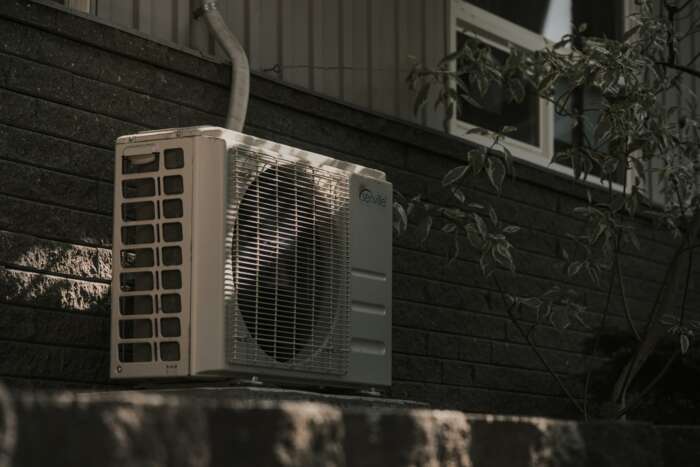
Opening that monthly envelope from your local power company rarely brings a smile to your face. We all expect to pay a bit more during the sweltering heat of summer or the freezing dead of winter. However, if you simply pay the amount due and throw the paper away without a second thought, you might be missing a crucial warning sign. Your energy statement is actually one of the easiest ways to keep tabs on your home heating and cooling system.
When your equipment starts to struggle, it needs more electricity or gas to do the same amount of work. Catching these hidden spikes in energy usage can alert you to a problem long before the unit completely breaks down. Instead of waiting for your air conditioner to blow warm air on a hot July afternoon, monitoring your monthly costs allows you to call a professional HVAC technician before a minor issue turns into an expensive disaster. Here is why keeping a close eye on your household utility bills is the smartest maintenance strategy you can adopt.
The Hidden Story in Your Monthly Statement
It’s easy to assume that as long as your vents are blowing air that feels relatively comfortable, everything is working fine, but complex machines wear down slowly. A failing motor doesn’t usually just stop working overnight. It gradually loses efficiency, drawing more and more power just to maintain the temperature you set on your thermostat. This slow decline reflects directly on your monthly power bill.
If you look at your statement and notice that your kilowatt-hour usage is twenty percent higher than it was during the same month last year, you need to ask yourself why. If your family hasn’t grown and the weather hasn’t been unusually extreme, struggling mechanical equipment is likely wasting that extra energy. Your heating and cooling system accounts for the largest portion of your home energy usage, making it the primary suspect anytime your costs inexplicably rise.
Dirty Filters and Restricted Airflow
One of the most common reasons for an unexpected spike in energy costs is also the easiest to fix. Your system needs to pull in a specific volume of air to heat or cool your home efficiently. When you forget to change your air filter, that fiberglass or pleated paper becomes clogged with dust, pet dander, and household debris.
With a blocked filter, the blower motor has to work twice as hard to pull air through the system. This extended effort requires extra electricity. It also means your unit has to run for much longer cycles to reach the desired temperature in your living room. A simple ten-dollar replacement filter can immediately drop your energy consumption back down to normal levels. If your bill looks unusually high, checking your air filter should always be your very first troubleshooting step.
Leaky Ductwork Letting Money Escape
Sometimes your main unit runs perfectly, but the conditioned air never actually makes it to your bedroom. The ductwork winding through your attic or crawlspace acts as a delivery system. Over time, the seams connecting these metal or flexible tubes can separate. Pests can chew holes through the insulation, or the tape securing the joints can dry out and peel away.
When your ducts leak, you end up pumping perfectly chilled or heated air right into your uninsulated attic. Because that air isn’t reaching your thermostat, the system keeps running continuously to try and satisfy the temperature setting. You end up paying to climate-control spaces where nobody lives. Monitoring your utility costs helps you catch these invisible leaks. If your usage creeps up but your house still feels drafty or uncomfortable, leaky ducts are a highly probable culprit.
Failing Parts and Refrigerant Leaks
Air conditioners and heat pumps rely on a very specific chemical balance of refrigerant to transfer heat in and out of your home. These are closed systems, meaning you shouldn’t ever lose refrigerant unless there is a physical leak in the copper lines or indoor coils. When a tiny leak develops, the system slowly loses its ability to cool the air effectively.
As the refrigerant level drops, the compressor runs longer and longer trying to compensate. This constant running drastically inflates your power usage. If you force a compressor to run continuously while low on refrigerant, the part will eventually burn out completely. Replacing a compressor is a major expense. By paying attention to your climbing power costs, you can catch the leak early, allowing a professional to patch the hole and recharge the system before permanent damage occurs.
How to Track Your Bills Effectively
To use your utility statements as a diagnostic tool, you need to know your household baseline. Start keeping your bills organized in a folder or use your provider’s online dashboard to track your history. You want to compare your current usage to the same month from the previous year. Comparing May to January won’t tell you anything useful because the seasonal demands are entirely different.
Look strictly at the actual energy units consumed, like kilowatt-hours or therms, rather than just the final dollar amount. Utility companies frequently change their pricing rates, so a higher dollar amount doesn’t always mean you used more energy. If your actual usage jumps by ten or fifteen percent without a clear explanation like a sudden heatwave or hosting holiday guests, it’s time to investigate your equipment.
Staying Ahead of the Breakdown
We tend to take our climate control for granted right up until the moment it stops working. By that point, you’re left sweating in your living room while scrambling to book an emergency repair appointment. Taking a few minutes each month to review your energy consumption shifts you from a reactive homeowner to a proactive one. It turns a dreaded monthly chore into a valuable home maintenance strategy. When you treat your utility bill as a health monitor for your home, you save money on your monthly overhead and extend the overall lifespan of your heating and cooling equipment.